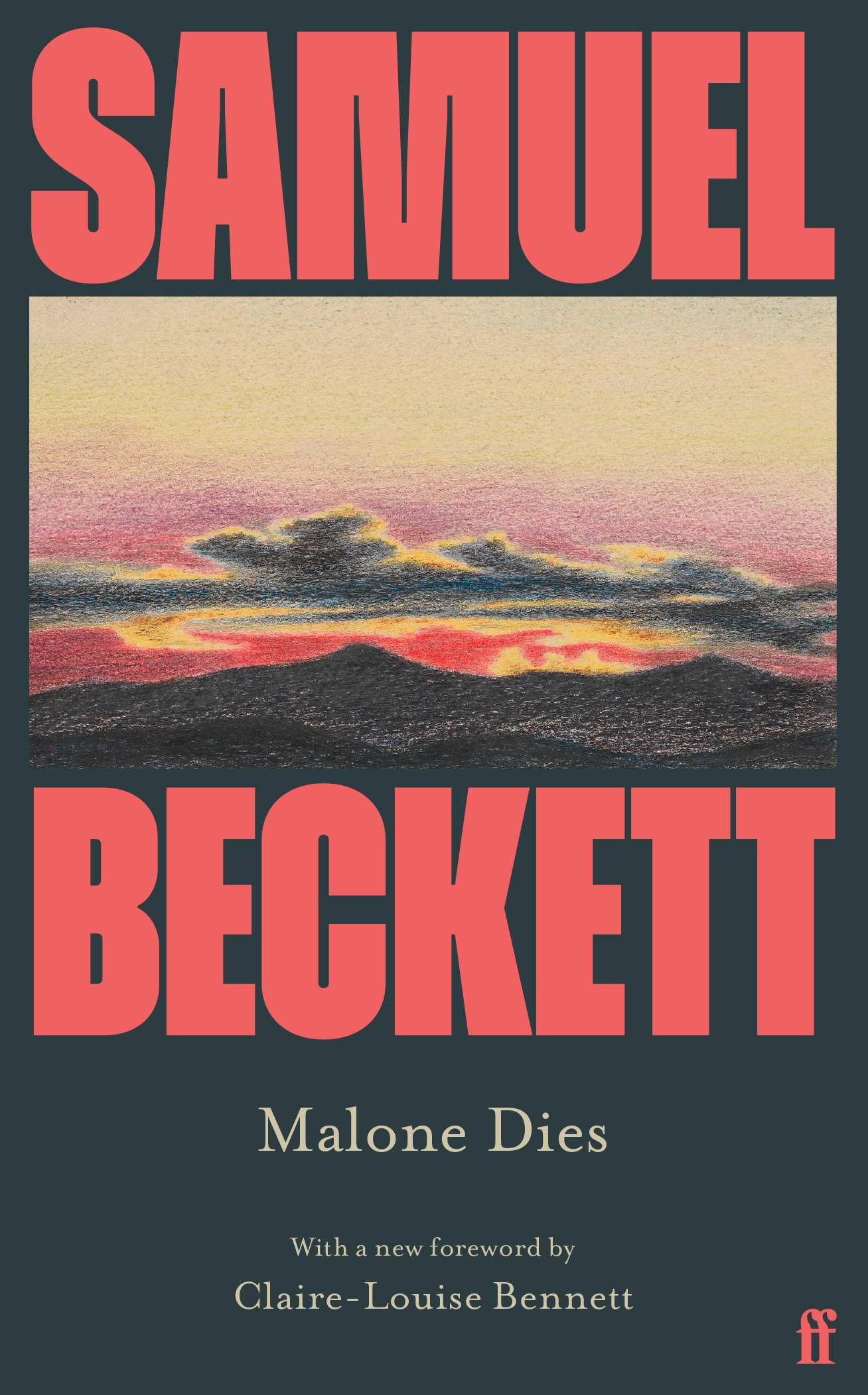

The second of the three greatest novels by the era-defining Nobel laureate, reissued for a new generation.
Nothing is more real than nothing.
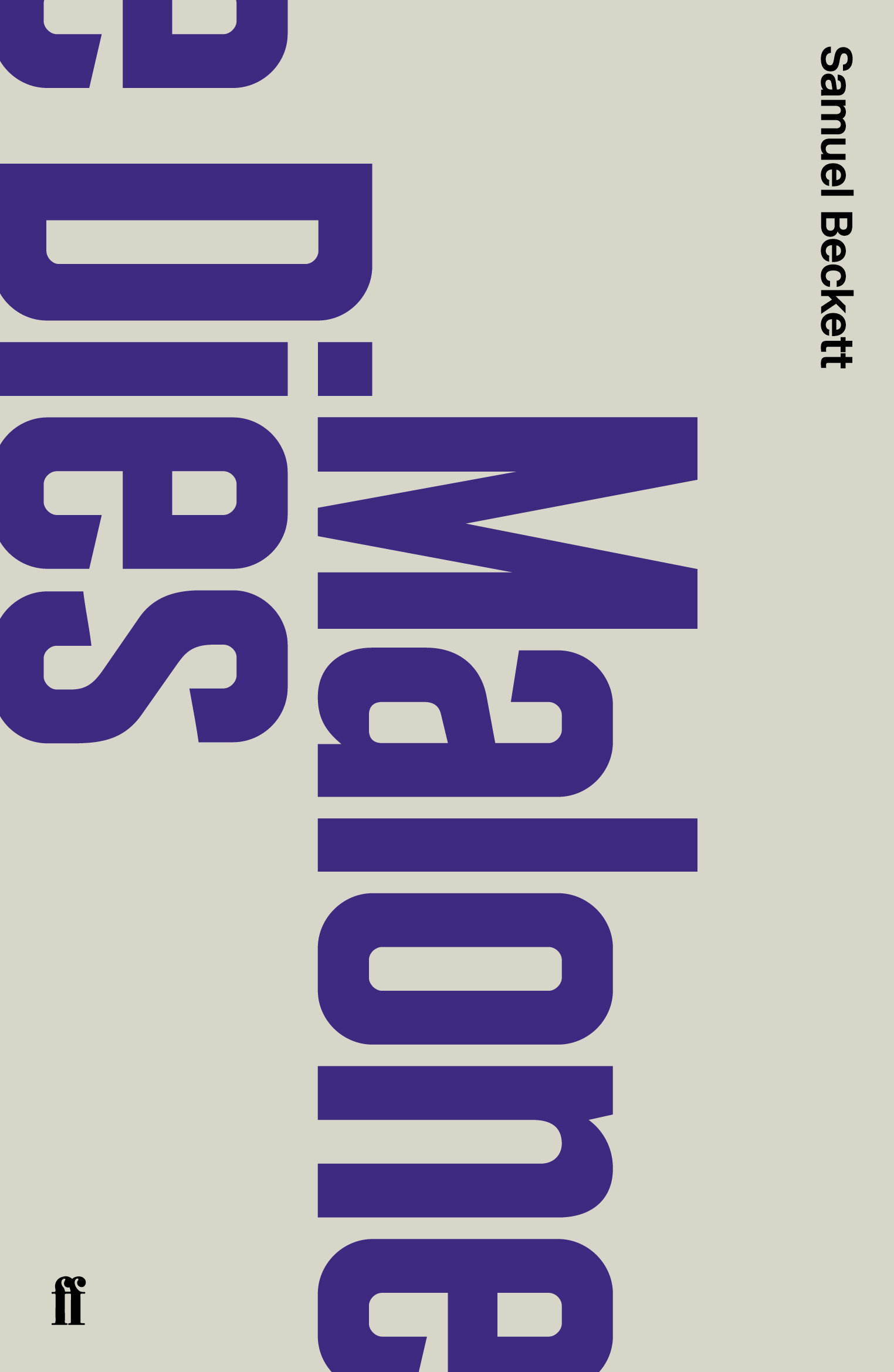
Malone, a decrepit old man, lies naked in his bed, scrawling bitter observations in an exercise book. He is fed on a bed-table, his chamber pot is emptied, he hooks items with his stick, he looks out of the window. He tells the story of a man, looked after by nurses, taken for an ill-fated picnic on an island in the sea. As his mind disintegrates, so does the novel . . .
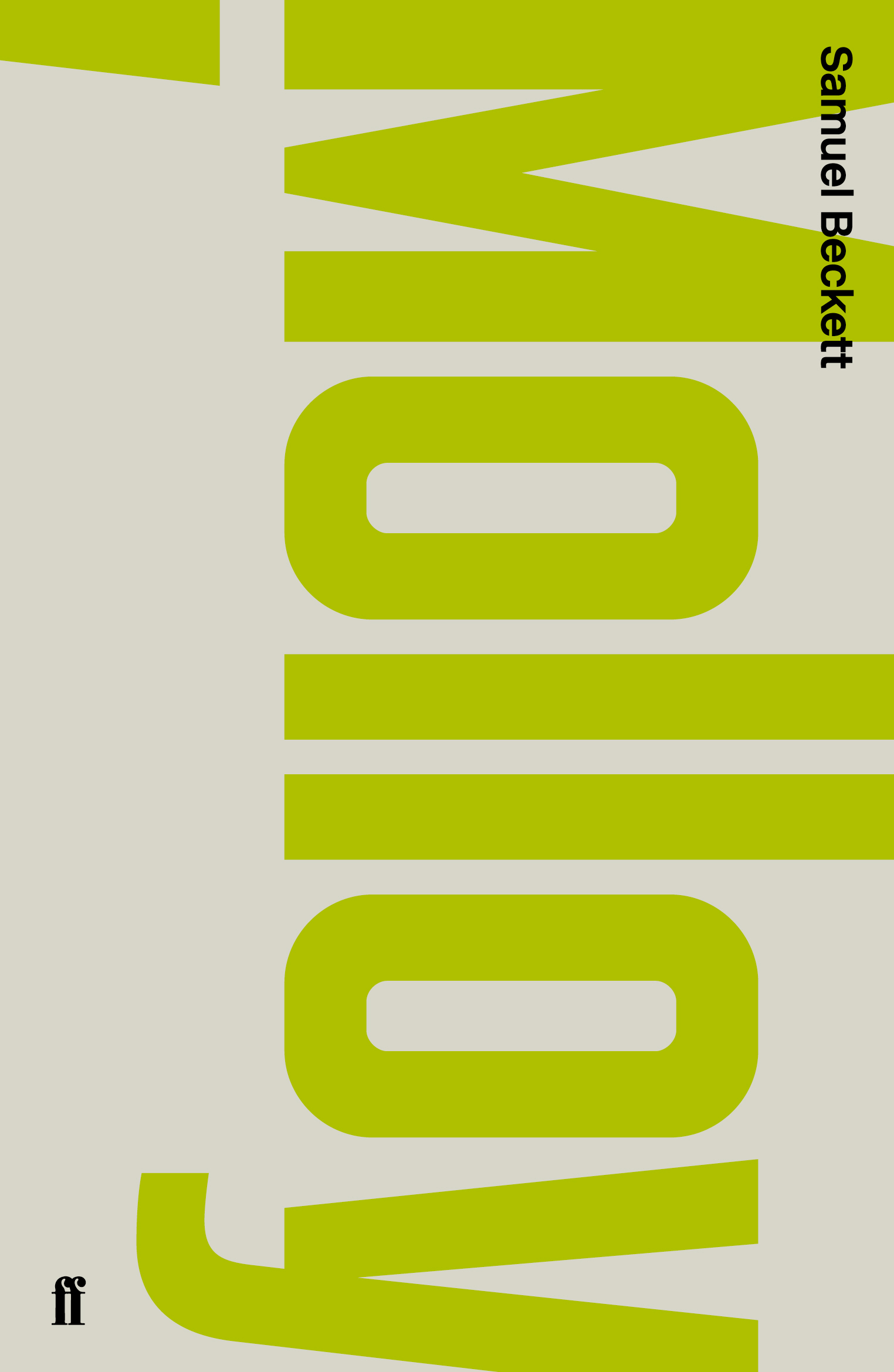
Malone Dies is the second of the three great novels Samuel Beckett produced during his 'frenzy of writing' in the late 1940s. The others are Molloy and The Unnamable.
Samuel Beckett was born in Dublin in 1906 and graduated from Trinity College. He settled in Paris in 1937, after travels in Germany and periods of residence in London and Dublin. He remained in France during the Second World War and was active in the French Resistance. From the spring of 1946 his plays, novels, short fiction, poetry and criticism were largely written in French. With the production of En attendant Godot in Paris in 1953, Beckett's work began to achieve widespread recognition. During his subsequent career as a playwright and novelist in both French and English he redefined the possibilities of prose fiction and writing for the theatre. Samuel Beckett won the Prix Formentor in 1961 and the Nobel Prize in Literature in 1969. He died in Paris in December 1989.
Claire-Louise Bennett grew up in Wiltshire and studied literature and drama at the University of Roehampton, before moving to Ireland where she worked in and studied theatre for several years. In 2013 she was awarded the inaugural White Review Short Story Prize and her debut book, Pond, was shortlisted for the Dylan Thomas Prize in 2016. Claire-Louise's fiction and essays have appeared in a number of publications including The White Review, Stinging Fly, gorse, Harper's Magazine, Vogue Italia, Music & Literature, New York Times Magazine and New Yorker. Big Kiss, Bye-Bye is her third work of fiction.
Samuel Beckett
Samuel Beckett
Samuel Beckett
Samuel Beckett
Samuel Beckett
Samuel Beckett
Samuel Beckett

Samuel Beckett

Samuel Beckett
Samuel Beckett
Samuel Beckett
Samuel Beckett

Samuel Beckett
Samuel Beckett
Samuel Beckett

Samuel Beckett

Samuel Beckett
Samuel Beckett
Samuel Beckett
Samuel Beckett
Samuel Beckett
Samuel Beckett
Samuel Beckett
Samuel Beckett
Samuel Beckett
Samuel Beckett
Samuel Beckett
Samuel Beckett