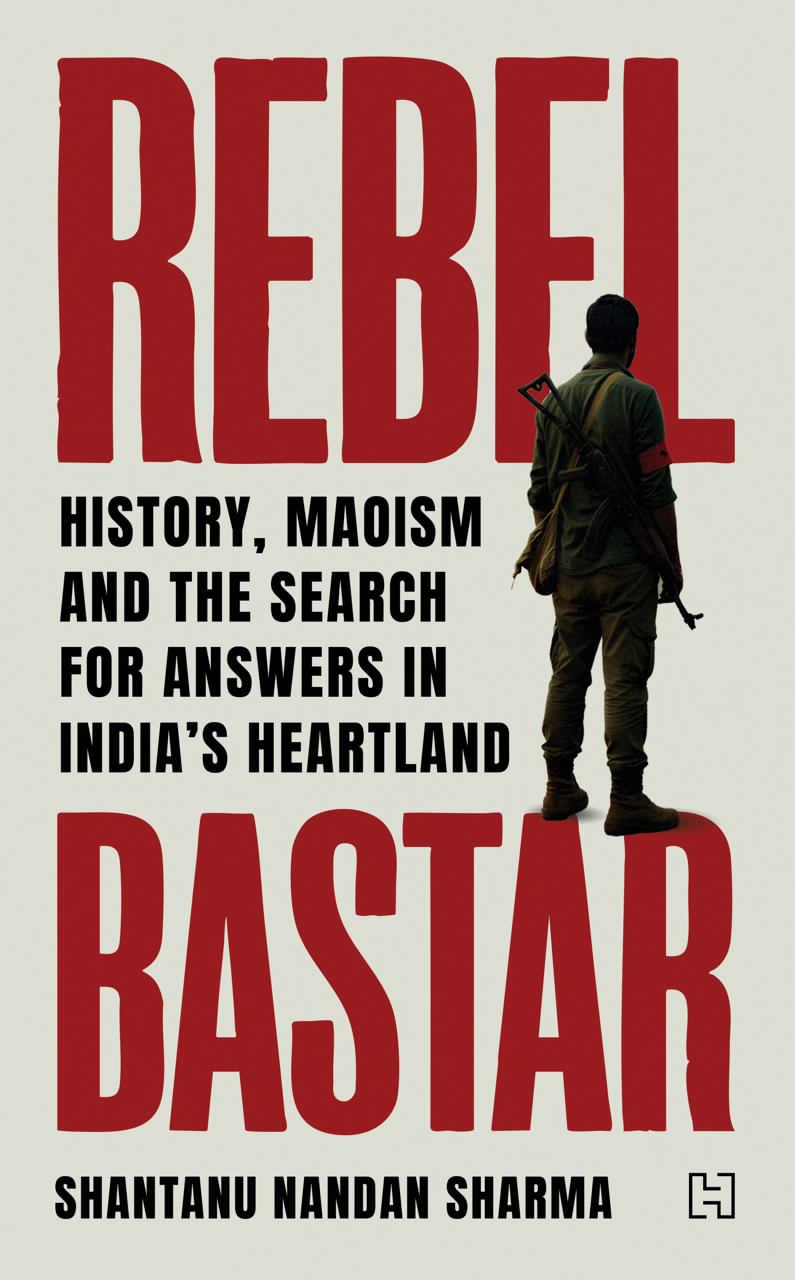
History, Maoism and the Search for Anwers in India's Heartland
Shantanu Nandan Sharma
IN MARCH 2026, THE GOVERNMENT OF INDIA DECLARED THE MAOIST INSURGENCY AS EFFECTIVELY DEFEATED. BUT A QUESTION LINGERS STILL: WHY DID A FOREIGN IDEOLOGY FIND A HAVEN IN BASTAR FOR OVER FOUR DECADES TO BEGIN WITH?
Senior journalist Shantanu Nandan Sharma maps the deeper history of a gravely misunderstood region, which for centuries has stood at the intersection of uneven state presence and popular resistance. Bastar first unfolded for him in the aftermath of India's 2016 demonetization, when newly issued currency notes surfaced deep inside the insurgent-held territory. In the successive years covering the wooded pocket, Sharma's findings challenged the familiar narratives of the Red Corridor, underscoring the land's millennia-long turbulent past.
We move from human sacrifices in Dantewada to British-sponsored incursions into Bastar's forests and kingdoms for teak wood and minerals, from a tribal uprising led by a tragic, beloved prince to developmental failures and the gradual rise of Maoist influence. Steadily, Naxalism surfaces as a recent chapter in a much longer history of contestation and administrative mistrust.
Rich in reportage and historical insight, Rebel Bastar examines how armed movements in India's heartland embedded within its tight indigenous societies, why they endured and whether their decline is only conditional.